
A comprehensive periodic maintenance plan for steel structures covering the protective coating, connections, and drainage around bases.
Periodic Inspection of the Anti-Corrosion Coating
Even galvanized or coated structures need periodic visual inspection once or twice a year to confirm there are no scratches or exposed areas where damage has reached the base metal. Any exposed area must be treated immediately with a repair coating compatible with the original protection type before rust starts spreading beneath the adjacent intact layer, and periodically measuring the remaining coating thickness in the most corrosion-prone areas is recommended.
Monitoring Welds and Bolted Connections
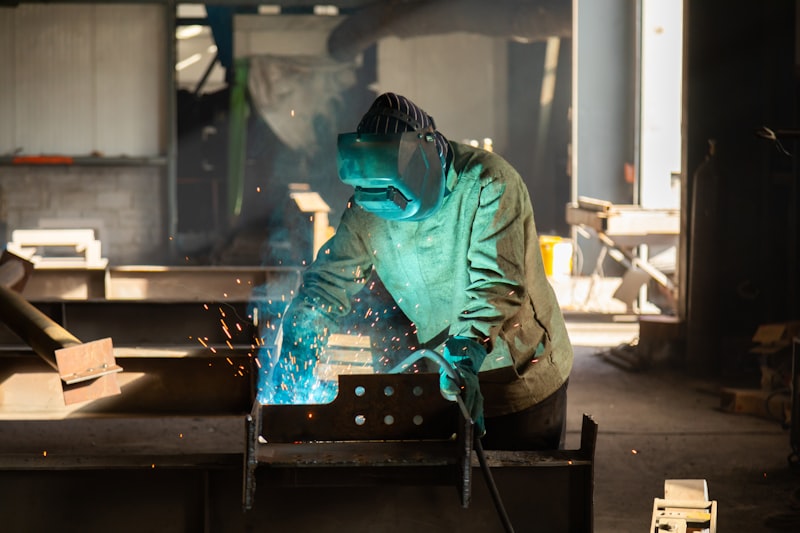
Bolted connections need periodic inspection to confirm bolts remain torqued to the value originally specified in the design, especially in structures exposed to continuous vibration like industrial equipment or metal bridges, since any loose bolts weaken load distribution across the element. Weld points should be monitored for any fine cracking signs, particularly in areas subject to repeated or cyclic stress.
Drainage Systems Around Metal Base Plates
Water pooling around metal column bases is one of the most common causes of corrosion starting at the ground contact point, so it's essential to confirm the drainage systems around these bases work efficiently and that water doesn't permanently collect there. Adding an extra protective layer or a protective boot at the concrete contact point noticeably reduces this risk, especially in humid areas or those exposed to seasonal water accumulation.
Periodic Inspection of Thermal Expansion Elements in Cladding
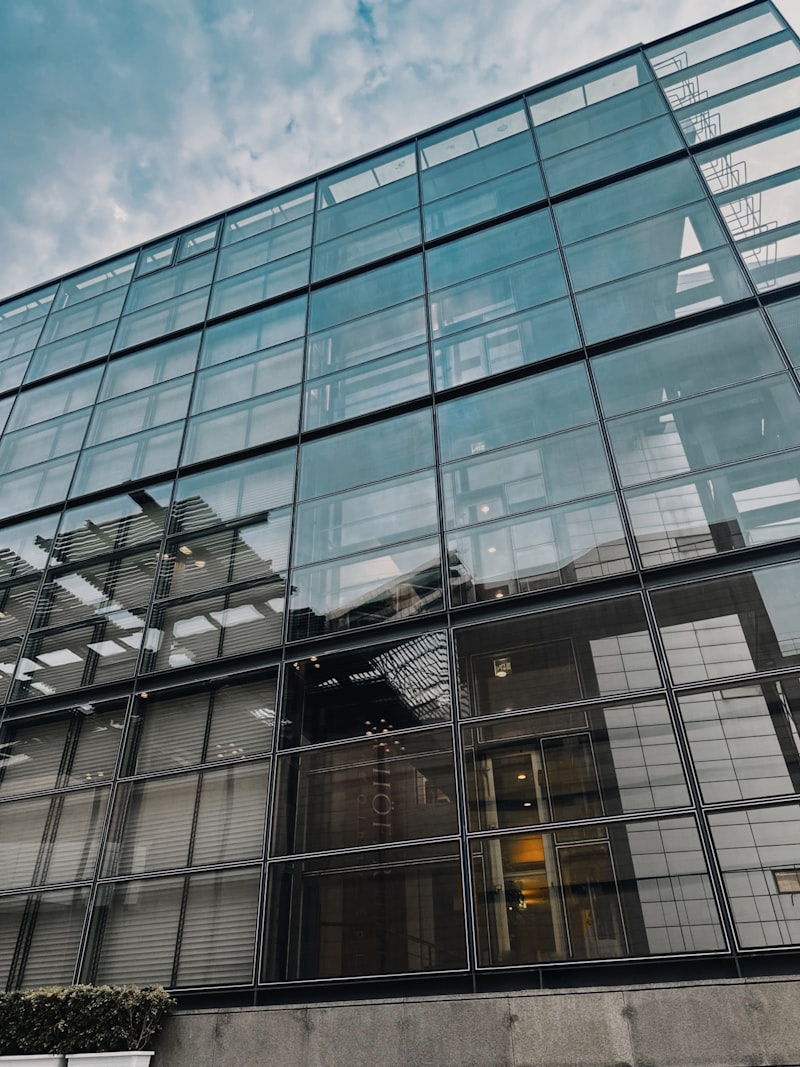
Thermal expansion gaps between metal cladding panels and their surrounding gaskets need periodic inspection to confirm they aren't clogged with dust or hardened cleaning residue, since any blockage prevents the panels' free movement and turns this protective gap into an additional stress point on the connection. Including this check within the facade's periodic maintenance program is recommended, rather than limiting inspection to the anti-corrosion coating alone.
When to Call in a Specialized Engineering Team Immediately
Rust spreading over a wide area rather than a single spot, any noticeable deformation in a structural element's straightness, unusual creaking sounds in the structure under load, or a cladding panel partially detaching from its anchor point are all signs that call for immediate contact with a specialized engineering team to assess the condition before it turns into a larger structural problem requiring costly repair or partial building evacuation.