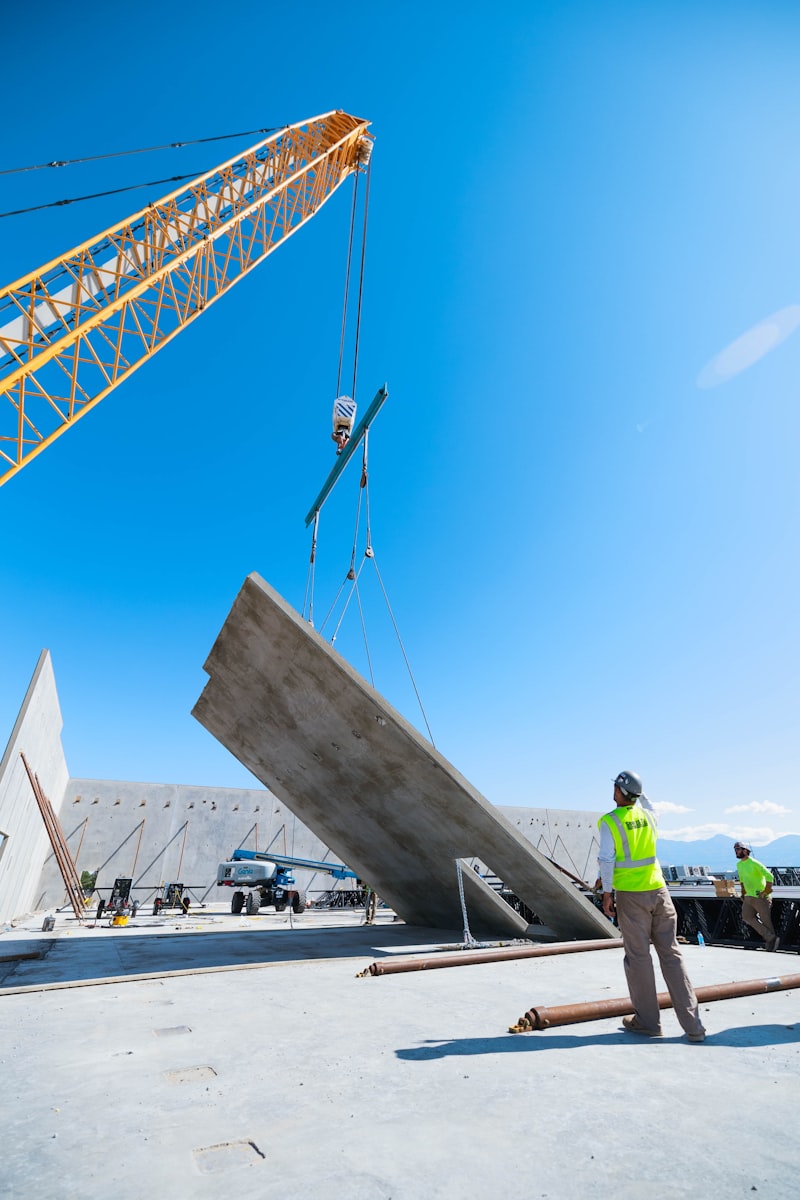


A comprehensive engineering comparison between steel and concrete systems in terms of speed, span, cost, and future adaptability.
Execution Speed: From Pouring and Curing to Ready Assembly
Steel structure components are precision-fabricated in the factory and shipped ready for on-site assembly, while reinforced concrete requires a pouring and curing period that can extend for weeks before reaching its full design strength. In projects where time is a critical factor, such as commercial warehouses or urgent industrial facilities, this schedule gap becomes decisive, potentially cutting the structural frame timeline by over 30% in favor of the steel system.
Structural Span: Large Clear Areas Without Intermediate Columns
Steel structures can span clear distances between columns often exceeding 30 meters without intermediate supports, compared to a relatively limited span for conventional reinforced concrete before additional beams and columns are needed. This advantage, stemming from steel's high strength-to-weight ratio, provides greater layout flexibility in sports halls, warehouses, and exhibition spaces where intermediate columns become a direct operational obstacle.
Comparing Total Cost, Not Just Upfront Cost
A surface-level comparison of price per ton of steel versus price per cubic meter of concrete is misleading, because the real cost includes execution time (and the associated financing and equipment rental costs), fire and corrosion protection costs for the steel structure, and formwork and temporary shoring costs for concrete. In large industrial projects, the steel system's total cost often comes out ahead despite the higher raw material price, thanks to savings in execution time and field labor.
Fire Resistance: Concrete's Traditional Edge
Reinforced concrete offers naturally high fire resistance without needing additional coatings or treatments, while steel rapidly loses its structural strength when exposed to high fire heat unless protected with intumescent coatings or insulating boards certified per the local fire-resistance code. This means fire protection cost must always be factored into the total cost calculation for any project adopting a steel system in applications requiring a high fire-resistance rating.
How to Decide Based on Your Project's Nature
Choose steel if the schedule is tight, the project needs large column-free spaces, or there's a real likelihood of future expansion. Choose reinforced concrete if natural fire resistance is a priority, the building is multi-story residential with small repeating floor plates, or steel costs are comparatively high in the local market relative to available concrete materials. In many large projects, the optimal design combines both systems depending on the function of each part of the building.