

Reviewing the most common technical and electrical installation mistakes for roller shutter doors and how to avoid them for safe operation.
Failure to Level the Winding Shaft Using a Spirit Level
If the upper winding shaft is not perfectly leveled using a spirit level, the shutter will wind unevenly. This shifts the structural load to one side of the motor and slats, producing constant rattling and squeaking noises while causing rapid edge wear until the door gets completely jammed.
Choosing a Motor Capacity Lower than the Shutter's Actual Weight
Cutting corners on motor selection or failing to calculate the exact weight of steel or aluminum slats leads to under-specifying the motor. The motor will operate under immense strain, overheat quickly, trip its thermal overload frequently, and likely burn out within months. Always factor in a safety margin in load calculations.
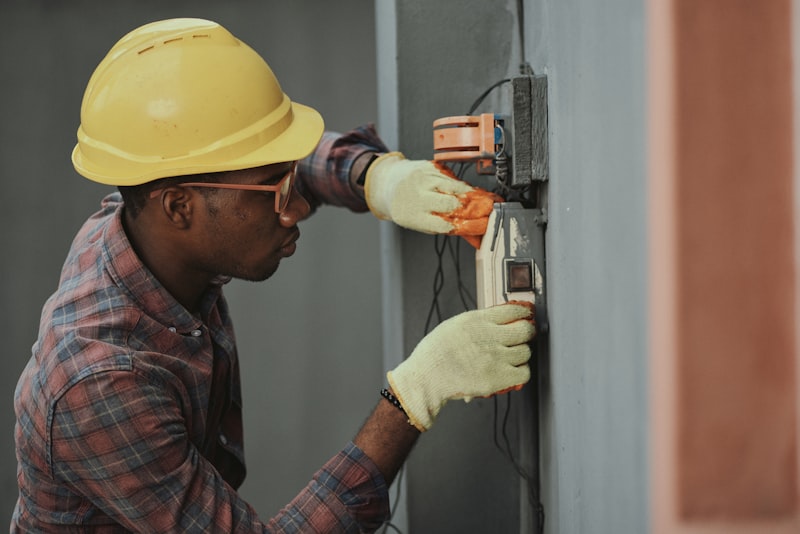
Faulty Electrical Wiring and Neglecting Limit Switches
The limit switch tells the motor when to stop opening or closing. If this switch is not precisely calibrated during installation, the motor will keep pushing the door after closing or overwinding after opening, stripping the gears, breaking shutter slats, or blowing out the control box entirely.
Neglecting Expansion Joints and Leaving Insufficient Clearance in Side Tracks
Metals respond to temperature variations and expand in summer. If the installer mounts the shutter slats without leaving a tiny clearance gap or safety margin inside the side tracks, the door will bind in the summer and refuse to cycle due to metal expansion and high friction, which is a very common error.
Failure to Mount Upper Support Brackets Firmly to Withstand Torque
The motor's startup torque during lifting is immense. If the mounting brackets or upper support plates are not securely anchored into concrete or solid masonry using heavy-duty steel anchor bolts, the sudden movement over time will loosen the fixings, causing the entire assembly to collapse, posing a severe safety hazard.