
A practical guide explaining periodic maintenance steps for roller shutter doors and how to handle common motor and slat issues.
Cleaning and Lubricating Side Tracks: The Secret to Smooth Movement
Dust and dirt accumulation inside the shutter side tracks significantly increases friction, putting extra load on the motor. Therefore, cleaning the tracks with a brush to remove debris, followed by spraying a suitable lubricant like silicone spray, ensures the slats slide up and down smoothly without annoying squeaking noises.
Inspecting Slat Alignment and Ensuring No Bending Exists
If the door suffers any impact or improper movement, one of the slats might bend or shift out of place, causing unbalance in the entire roll during winding. Continuous visual inspection to ensure every slat is properly aligned protects you from a serious issue where the door gets stuck halfway, causing major disruptions.
Monitoring Motor Performance and Listening for Abnormal Sounds
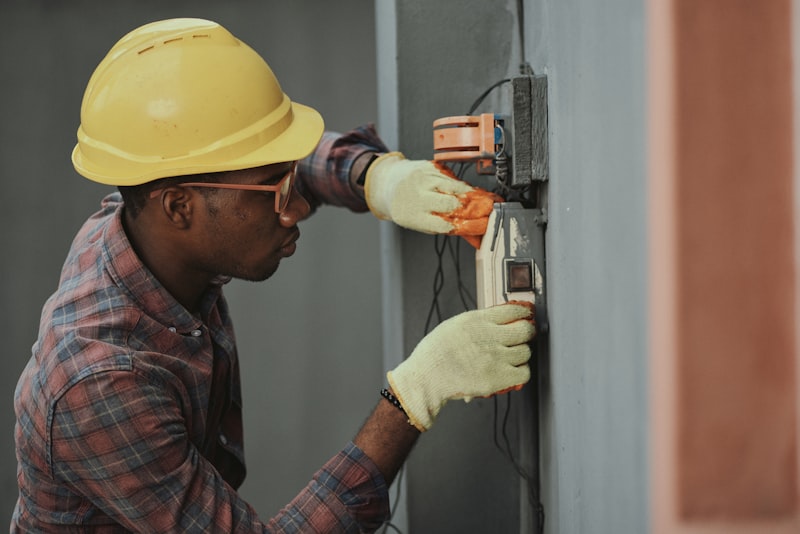
The motor is the heart of the system, and any change in its sound—like a loud hum or jerky movement—serves as a warning sign of an electrical or mechanical issue. Do not wait until the motor stops completely; the moment you notice a drop in door speed or a strange sound, call a specialized technician to adjust screws or check connections.
Testing Emergency Systems and Manual Operation During Power Outages
One of the things many people forget is testing the manual crank or emergency system. You must periodically try opening and closing the door manually to guarantee the system works and is free of rust that could hinder movement during emergencies or when a power outage requires urgent access.
Annual Preventive Maintenance Schedule for Commercial and Industrial Facilities
Industrial facilities operating doors dozens of times a day need a preventive maintenance contract at least twice a year. This contract includes inspecting motor gears and testing safety edges or sensors that stop the door if an object is underneath, protecting lives and equipment from accidents.