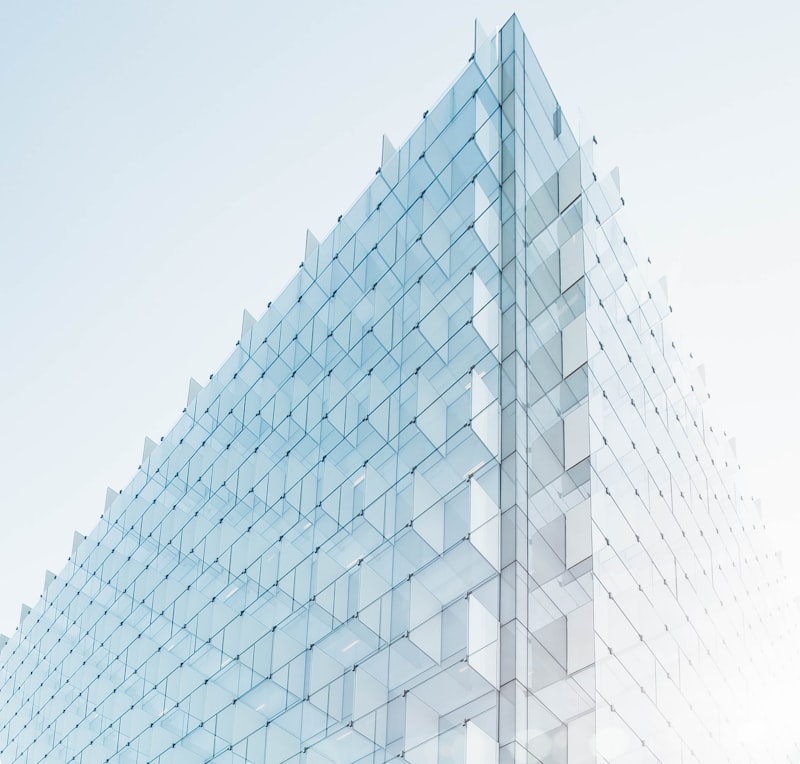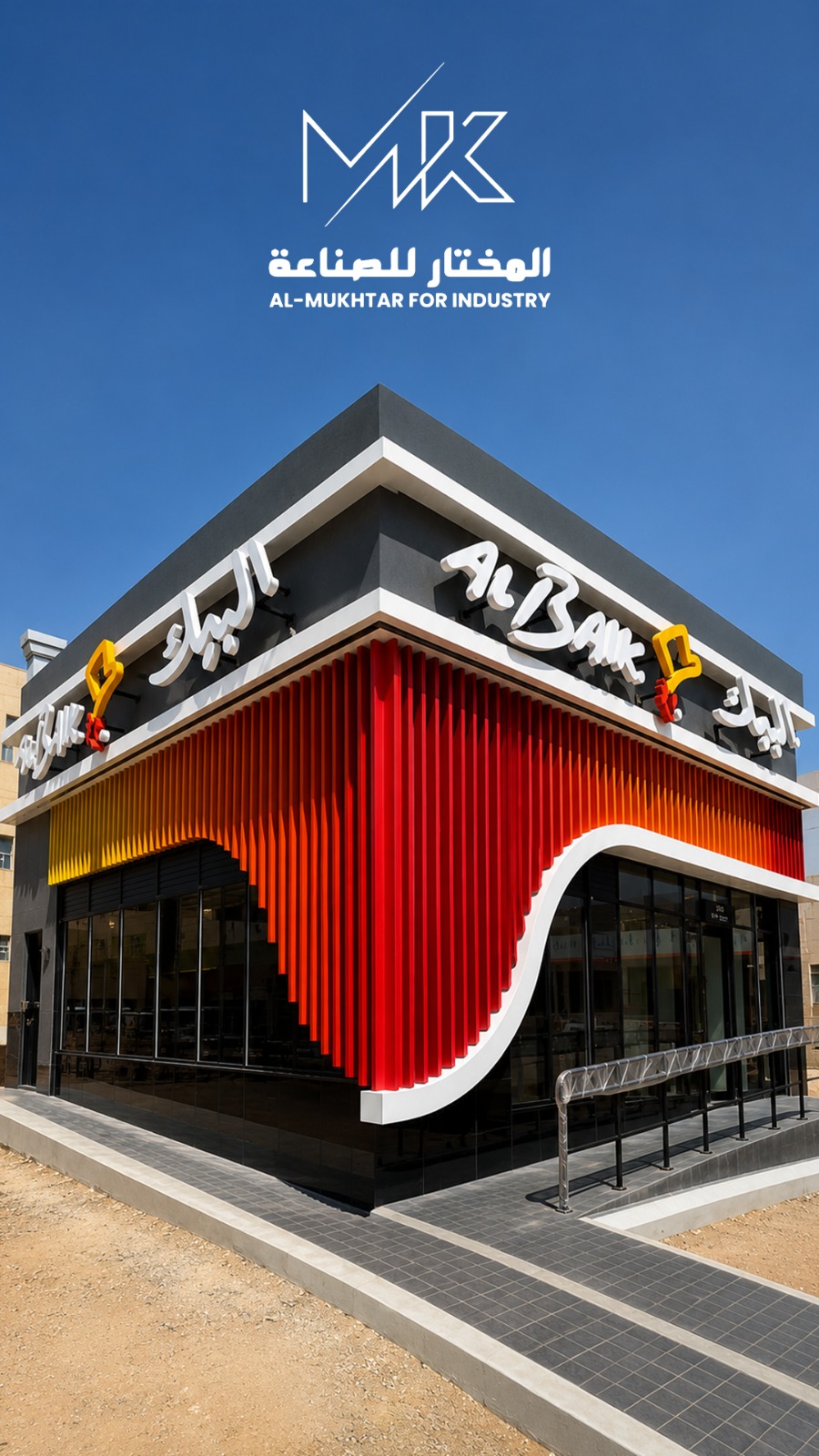

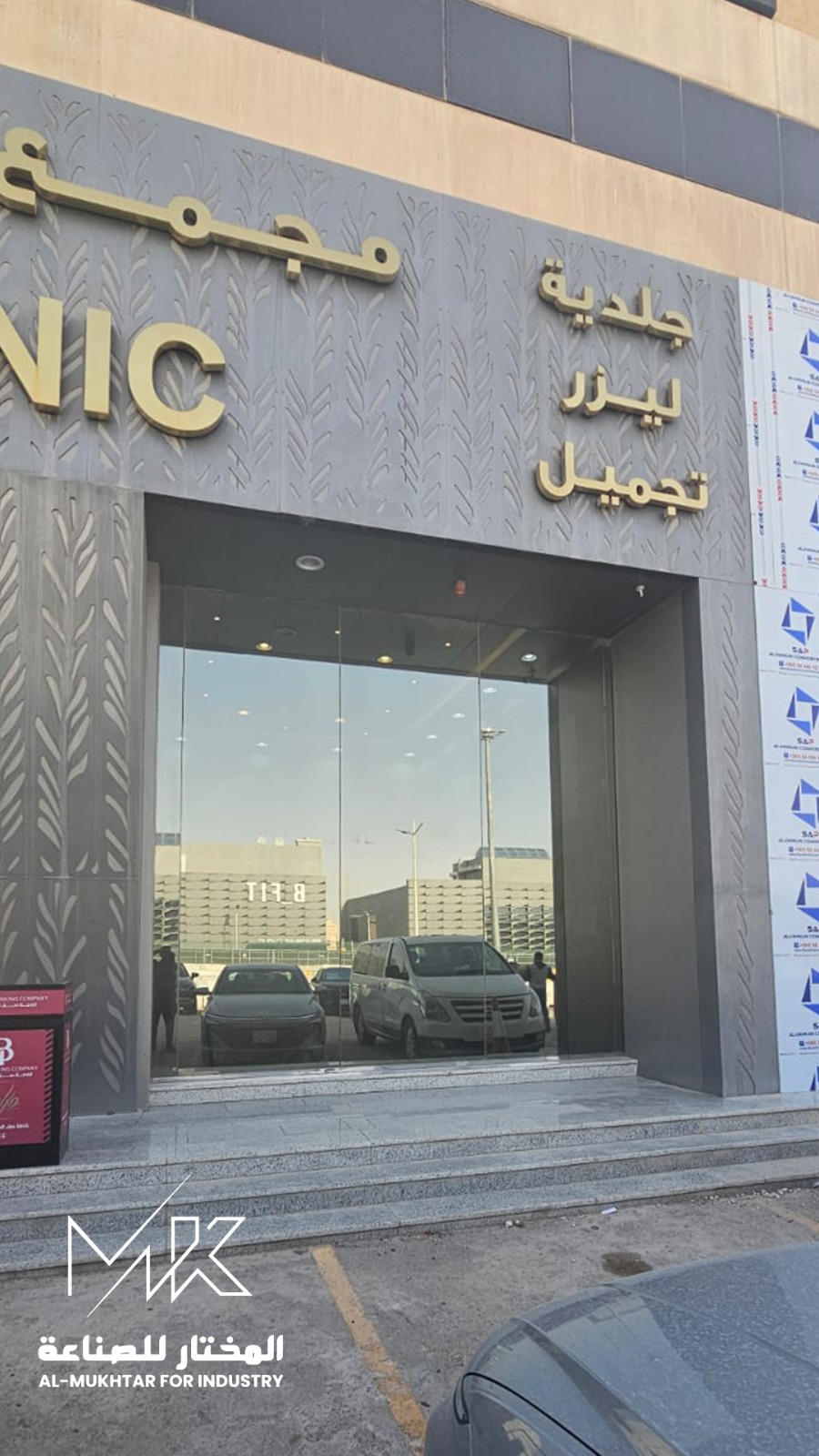
This article reviews the design, fabrication, and installation phases of aluminum storefronts for commercial premises, along with key technical and aesthetic requirements.
The Storefront as a Marketing Tool
Studies confirm that over 70% of store entry decisions are influenced by the first impression the facade creates. Therefore, a storefront is not merely a glass barrier separating inside from outside — it is a silent visual message that reflects the brand's level and invites passersby in. Aluminum provides complete flexibility to realize this design vision, thanks to its formability, coating capabilities, and ability to handle large glass openings that deliver high transparency.
Most Commonly Used Aluminum Systems
For commercial facades, three main systems stand out. First, the traditional storefront system made from light-profile sections, suitable for medium-sized shops. Second, heavy-duty framing for facades with large glass panels and above-standard heights. Third, automatic sliding door systems that combine function and beauty and suit the pedestrian flow in malls, hotels, and airport terminals.
Security and Protection Requirements
The security aspect is no less important than the aesthetic aspect in commercial facades. Toughened or laminated glass that can withstand impacts and slow down intrusion attempts must be chosen. Access control and locking systems must be integrated into the door profile from the design stage, not added later. In luxury display shops, security rolling shutters behind the glass facade are also used to provide a double protection layer after business hours.
Aesthetics of Lighting and Finishing
Lighting is an integral part of commercial facade design. LED lighting channels can be integrated directly into upper and lower aluminum profiles, unifying the appearance and highlighting the glass and displays at night. In terms of finishing, many designers today combine dark anodized aluminum (champagne or black) with deep clear glass to achieve a modern, contemporary look. Remember to match the frame color with the brand's visual identity.
Installation, Warranty, and Maintenance
Installing a storefront requires good preparation of the structural opening and ensuring the regularity and plumb of adjacent walls. Any irregularity in the opening reflects on installation quality and the final facade appearance. After installation, it is recommended to inspect the integrity of seals and edge insulation to verify the absence of air or water infiltration. Most professional commercial facade system manufacturers offer warranties ranging from 5 to 10 years on the aluminum structure and finishing.