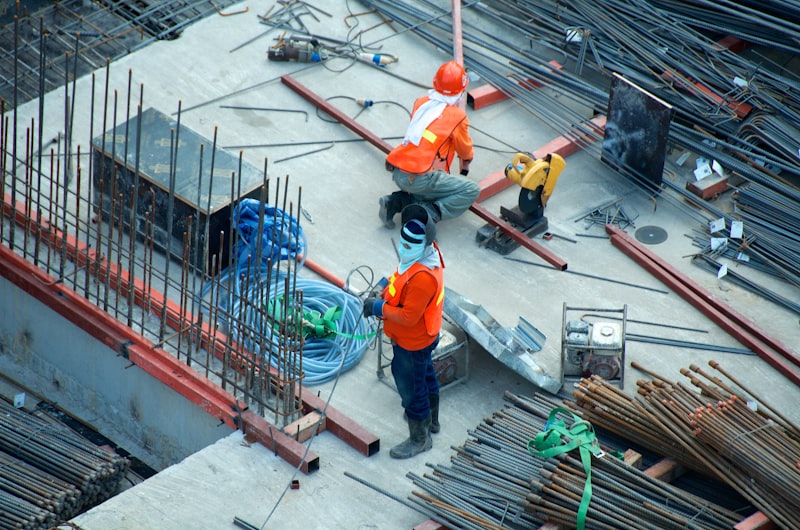


An overview of sound engineering practices for assembling vertical mullions and horizontal transoms, and implementing thermal expansion joints to protect systems from deformation.
Managing and Storing Aluminum Profiles to Prevent Damage
Aluminum profiles arrive on site protected by specialized tapes. They must be stored in covered, elevated areas on wooden pallets to protect them from moisture and abrasive dust that could scratch the finish (powder coating or anodizing) during internal site handling.
Installing Vertical Mullions and Establishing Plumbness
The framework assembly begins with erecting vertical mullions and securing them to steel brackets using stainless steel bolts. The plumbness of each profile is checked individually and retrospectively to ensure error margins do not accumulate across the continuous facade layout.
Connecting Horizontal Transoms and Utilizing Anti-Leak Gaskets
Once vertical profiles are stable, horizontal transoms are installed between them using dedicated transom brackets. It is strictly required to place rubber pads or anti-leak silicone drops at horizontal-to-vertical intersections to block water or air infiltration through the profile's internal joints.
Executing Thermal Expansion Sleeves and Their Impact on the System
Aluminum expands and contracts due to sharp temperature variations. A calculated expansion gap (typically 10 to 15 mm) is left between mullions at each floor level, joined using an internal sliding sleeve that ensures continuous structural resistance while allowing free movement without creaking sounds or buckling.