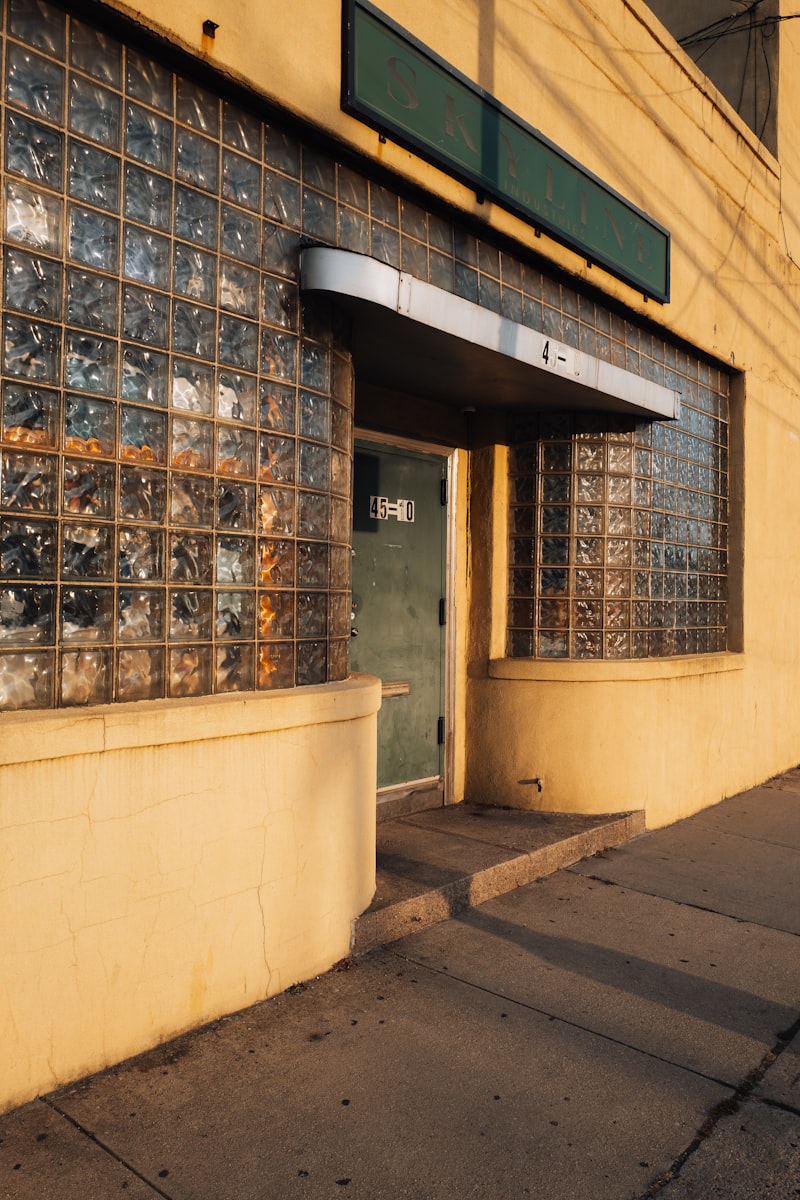


A professional care guide for large glass facades, from safe cleaning to access and safety standards.
Safe Cleaning Products and What to Avoid Entirely
Always use clean water with a small amount of neutral soap or a dedicated glass cleaner, and completely avoid any product containing high-concentration ammonia or abrasive agents, as these can damage any surface treatment on the glass such as a Low-E or heat-reflective coating. Use a soft cloth or a dedicated glass squeegee instead of a rough sponge, which can leave fine scratches that accumulate over time.
Surface Scratches vs Insulating Unit Failure
Surface scratches appear on the outer face of the glass and usually result from unsuitable cleaning tools; this is purely a cosmetic issue that typically doesn't affect thermal performance. Fogging or condensation between the two panes of a double glazed unit is an entirely different signal that indicates the unit's seal has failed, and no amount of cleaning will fix it — the insulating unit needs full replacement.
High-Access Equipment and Safety Standards
Cleaning upper-floor facades requires specialized access equipment such as bosun's chairs or certified lifting platforms, and the work crew must be trained on working-at-height safety standards, including the use of safety harnesses and dual anchoring systems. Any attempt to carry out this work without standard-compliant equipment or adequate training exposes the maintenance team to serious risk and should be firmly rejected regardless of schedule pressure.
A Recommended Periodic Inspection Schedule
As a practical rule: routine cleaning every three months in moderate climates, and every one to two months in coastal areas or near busy roads where salt and dust build up faster. Add to this an annual comprehensive visual inspection of gaskets, anchor points, and structural silicone integrity where applicable, catching any early deterioration before the rainy season or peak heat periods set in.
Maintenance Documentation as Part of Property Value
Keeping a documented record of every maintenance and inspection event, including dates, results, and any repairs made, doesn't just help track the facade's condition over time — it also serves as a valuable document when selling the property or renewing insurance. Buyers and property appraisers place growing weight on documented maintenance records as an indicator of good building care.