
A detailed review of steps for dismantling and replacing broken glass units on the exterior of active towers using advanced Building Maintenance Units (BMUs).
Securing the Ground Work Zone and Isolating Fall Hazard Areas
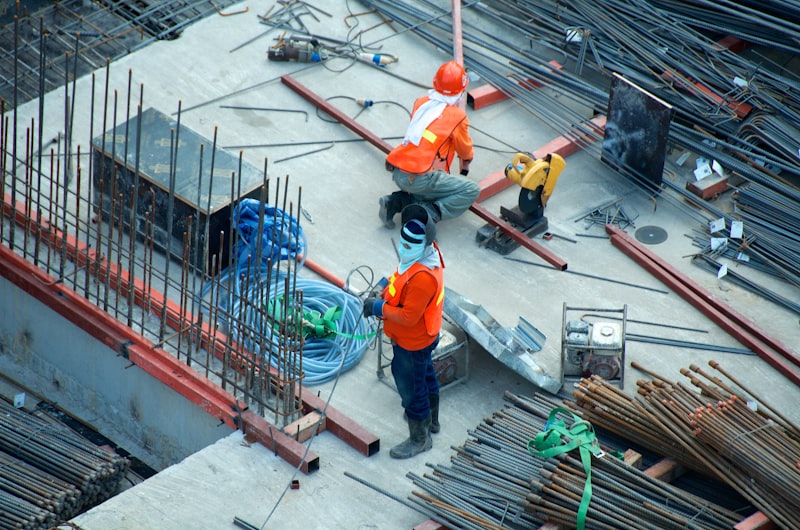
Before taking any steps to dismantle glass, a radius-based exclusion zone is established on the ground directly beneath the work area to restrict pedestrian and vehicular transit. Warning signs are positioned and safety watchers deployed to monitor the perimeter, guaranteeing zero injuries from unexpected falling fragments.
Methods for Dismantling Damaged Glass Units and Controlling Shards
To prevent shard fallout, the shattered pane is completely faced with heavy-duty adhesive films to bind it into a single mass. The maintenance crew on the BMU cradle carefully unscrews the pressure plates and uses manual suction cups to pull the damaged unit safely into the platform.
Hoisting and Installing Thermally and Visually Compatible Replacements
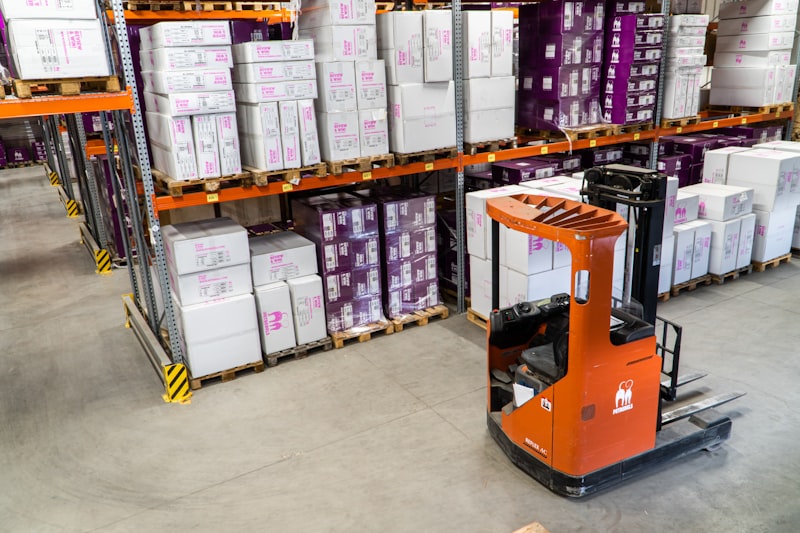
The replacement unit is sourced to exactly match the original specs regarding reflective coating traits and Visible Light Transmittance (VLT) to avoid facade color mismatch. The unit is hoisted using forklifts or the BMU's dedicated auxiliary winch, landing precisely on setting blocks to eliminate metal-to-glass contact.
Re-Applying Silicone Sealants and Executing Immediate Field Validation
Following mechanical retention and re-installing exterior face caps, the technician cleans the joints with approved solvents and injects fresh weather silicone to seal the gaps. A localized water spray test is executed immediately to verify zero air or water infiltration around the window's updated perimeter.